 Mark Agnew
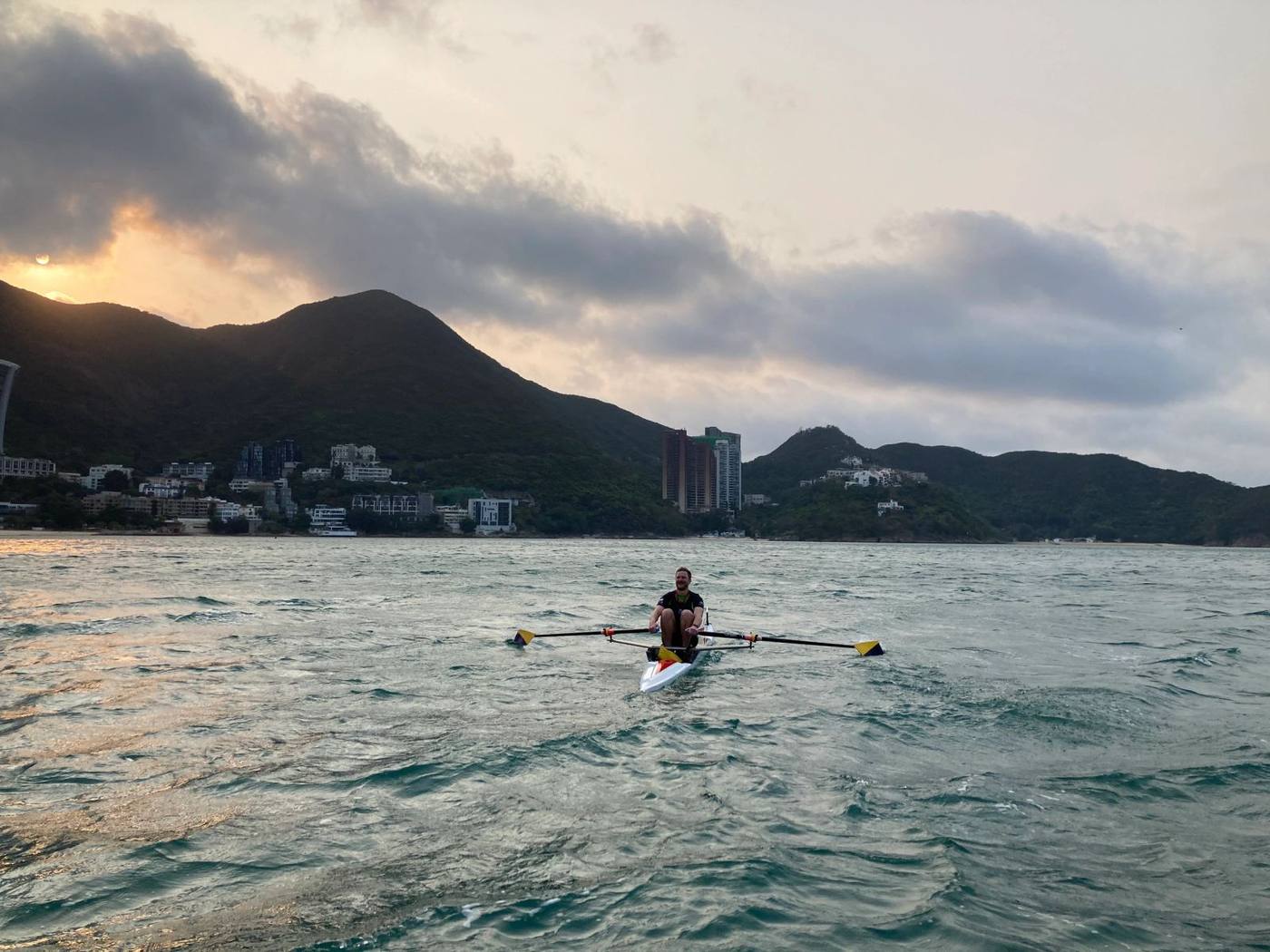 The sun rises after 10 hours of rowing, but the relief is short lived.
Practicing boredom for endurance sports
Rowing for 12 hours is tough. Obviously, it's physically tough but it's also quite boring. A year ago, I decided to row for 12 hours straight. I decided to make it even more boring by doing it on my own and at night so it was dark and there was nothing to visually stimulate me (not to mention fighting tiredness). I went back and forth over a 3km strip to make it even more dull.
I did this with the specific aim of practicing boredom for my next ocean row. We are all so use to being stimulated every waking second that we have lost the art of being in our own heads. If ever we have a minute between conversations, lets say in a queue at the supermarket or on the commute, we can whip out our phones and pass the time.
We never have to fill the seconds on our own. This mean, when we really are bored, it's hell.
The irony is, when we are so busy, we long for nothing to do. And when we have nothing to do, we are so out of practice we find it torturously boring.
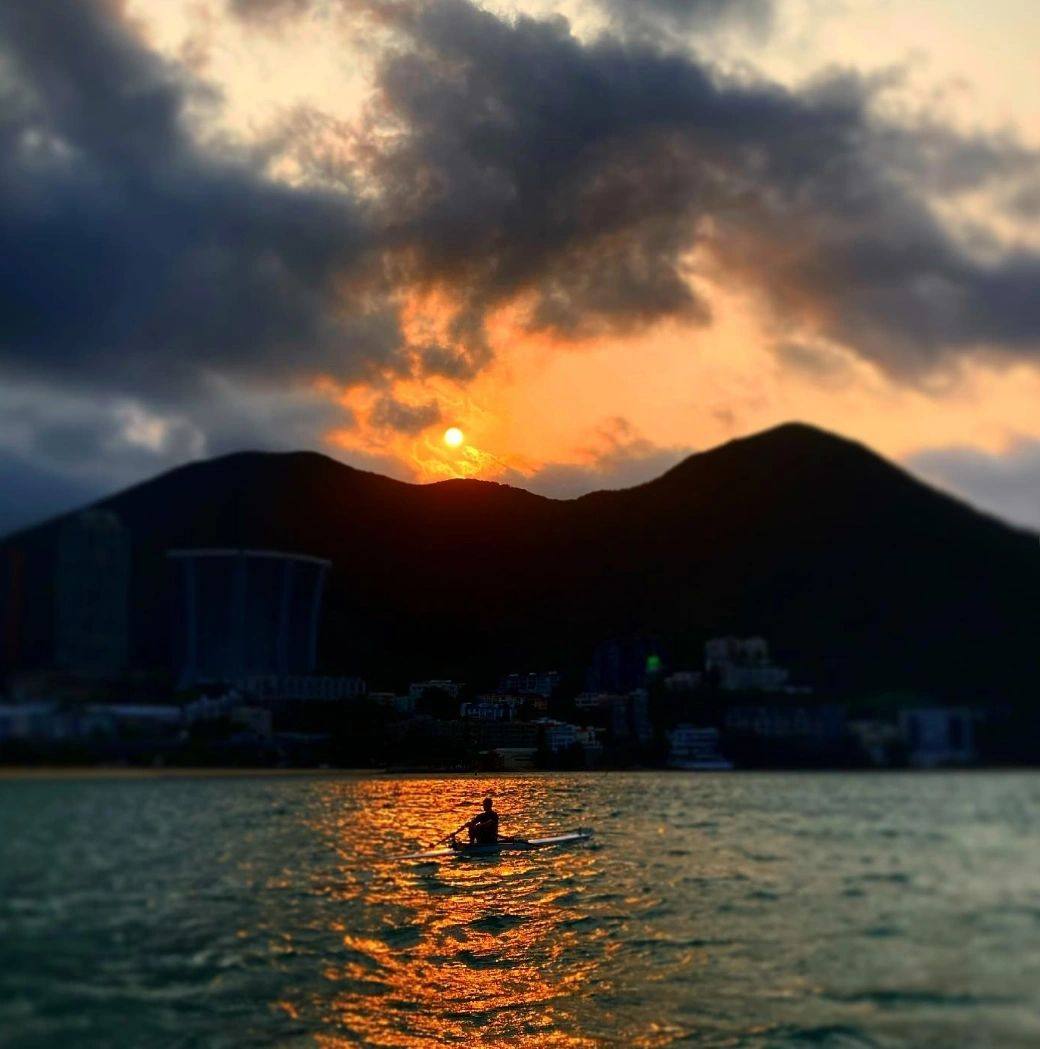 Back and forth. Back and forth.
If we push through the barrier of boredom and fight off the temptation for instant gratification, soon we find contentment.
"Bliss – a second-by-second joy and gratitude at the gift of being alive, conscious – lies on the other side of crushing, crushing boredom," wrote author David Foster Wallace in The Pale King.
This was my motivation the night I took that small lonely boat to sea for my mind numbing laps.
Rowing oceans, as I plan to do in the near future, is often quite dull. Between the stories of epic storms and comradery, there is not a lot to do. The minutes can drag on and on, with a unchanging seascape around you.
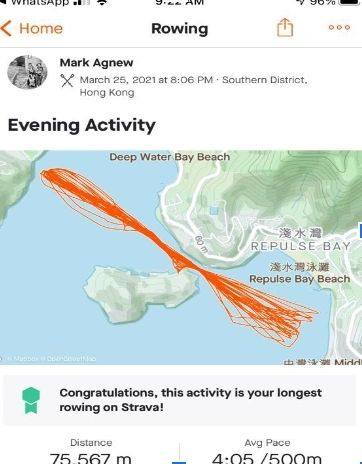 75km in 12 hours.
Training to row fast is one thing. But if you have not trained to be bored, you will find it hard to get the best out of your body physically. Your mind wanders, you find excuses to take a second here and there, maybe for water or a stretch, just to get some relief from the monotony.
Read More: How to build resilience
Rowing for 12 hours was exactly as boring as I anticipated. Back and forth. Back and forth. The first few hours flew by, then time seemed to slow. A horrible 18 knot side wind made my life even more miserable. It interrupted my flow, so I wasn't even able to lean into the blissful strokes of rowing. I had to concentrate not to catch my oars on the sideways waves and any break I took blew me off course.
I had planed a 10 minute break every three hours on the shore. The wind was so strong that my boat acted like a sail when I tried to lift it out the water. So, I spent 10 minutes just getting onto the jetty before I could even start my break.
Read More: Relearning intrinsic motivations
On and on the hours went. Back and forth. Back and forth.
I longed for the sunrise, knowing that relief was on the other side. Human's are solar powered and I knew from experience that when the sun rises, so does my spirit.
Finally, at 6am dawn cracked over the horizon. The brief boost in sunlight was followed by a crushing low. I had put so much mental emphasis on the sun coming up, that my mind had treated it like a finish line. Now, my mind was ready to end the challenge, but I had two hours left.
Back and forth. Back and forth.
With the sun, came other rowers. There company was a sweet boost for the final 40 minutes and one friend joined me for the triumphant final sprint back to the boat house.
I had finished. Finally. I had covered 75km. I had wanted to cover 100km at least but the sidewinds had halted my progress. It didn't matter. The distance was not important. Instead, boredom was important.
And after hours of boredom, in the early hours out on the sea on my own with no one to talk to and nothing to see, I had experienced moments of bliss: The question of how to keep rowing for 12 hours is the privilege of simple problems that comes before contentment of doing tough challenges.