 Mark Agnew
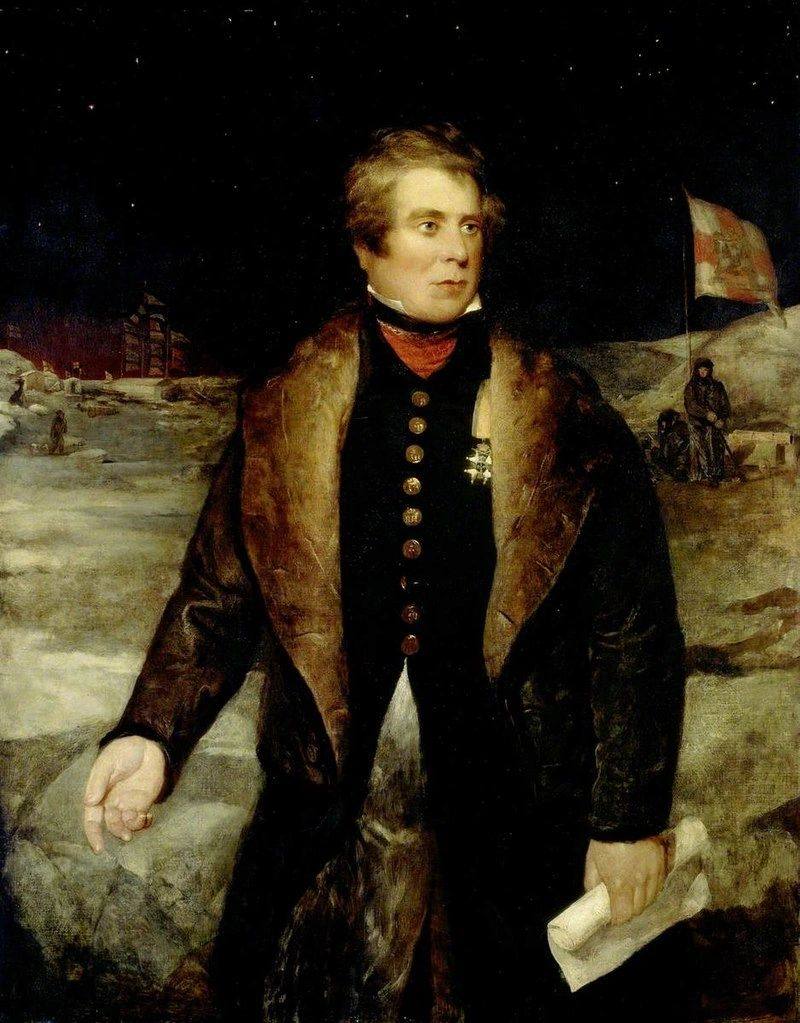 Sir John Ross, 19th Century Arctic explorer may have been friends with my Great x 3 Grandparents. Photo: National Maritime Museum
Were Sir John Ross and my Great Grandparents friends?
When I was crowed European Adventurer of the Year 2023 for kayaking the Northwest Passage, I became the first Scot to win the award. But I am far from the first Scot to have an adventure in the Northwest Passage. My countrymen have long and historic links to the region.
I was part of the Arctic Cowboys, so named for our Texan teammates (Jeff Wueste and expedition leader West Hansen. Eileen Visser is from Alaska), and I was proud to represent Britain and Scotland on our epic voyage. We became the first to kayak the route, and the first to complete it by human power, no motors or sails, in a single summer.
There is one Scottish link I particularly enjoy - I wonder if my Great Great Great Grandfather and 19th a century Arctic explorer Sir John Ross are up there having a non-alcoholic toast to our success.
Sir John Ross searched for the Northwest Passage in 1818 and 1829. He amazingly went again in 1850 aged 72. When he built his home in Stranaer, in Wigtownshire Scotland, he built his office as an exact replica of his ship's cabin.
His home is now the North West Castle hotel, a 10 minute walk from Agnew Park on Agnew Crescent, so named for my ancestors' link to the town. I think it's likely John Ross knew my Great Great Grandfather (born 1818) and Great Great Great Grandfather (born 1793), both called Andrew, who lived nearby!
Andrew (1793) was Member of Parliament for Wigtownshire from 1830 to 1837. He was best known for campaigning to protect the Sabbath as a day of no work. Andrew was also a ardent teetotaller.
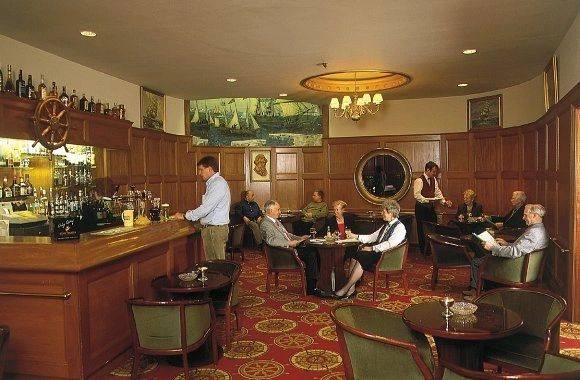 The North West Castle hotle bar was once Sir John Ross's office and is an exact replica of his cabin.
Both John and Andrew were prominent people in a small rural region, so I'd be surprised if they didn't know each other. When Andrew died in 1849, they erected a monument to him. It is a nine minute drive from the Marian Tower, another monument which may have been built by Sir John for the women of his family (or it may have been built to a local girl killed by a bull).
While my teammates and I were in the Northwest Passage, we stayed in Fort Ross, a small cabin so named for John Ross and his nephew James (also an Arctic explorer). It was funny to think about the Agnew-Ross link, no matter how tentative, as I slept in the cabin.
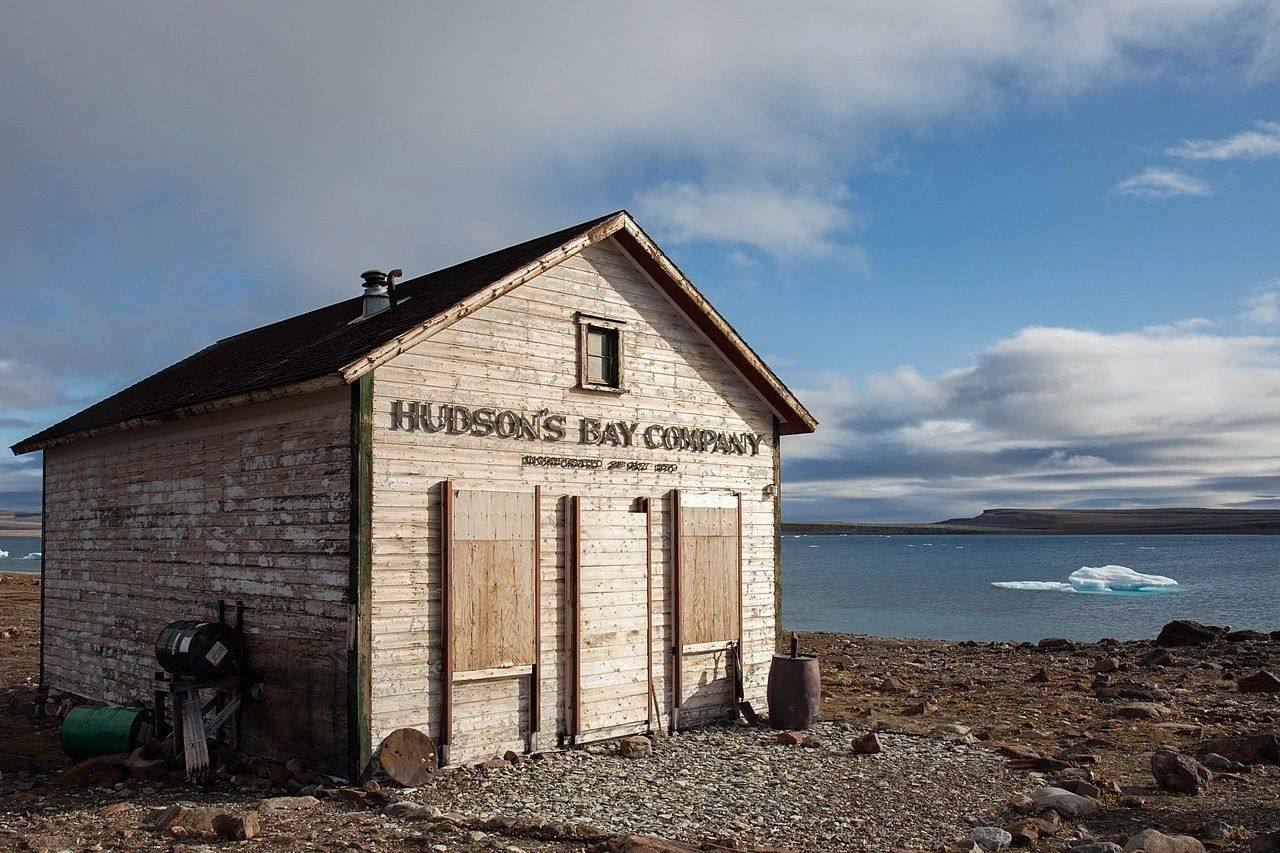 Fort Ross, so named for Sir John and James, the Arcitc explorers. Credit: Se Mo
Sir John Ross in the Northwest Passage
Sir John had mixed success in the Northwest Passage. During his first expedition, he entered the Northwest Passage via Lancaster Sound. He thought his way was blocked by mountains.
Several of his officers disagreed with Sir John, and said there were no mountains. None-the-less, they turned around. The disagreement was made public. When it was later proved that the mountains were a mirage Sir John's reputation never recovered.
It was soon after his first expedition that he build North West Castle.
He returned in 1829 to redeem his reputation. The Navy would not fund him, but he secured sponsorship from the gin baron Felix Booth. He was the first to use a motor in the Northwest Passage. It was a good idea but he was ahead of his time. Screw propellers were not yet invented, and the paddle steamer was not suitable for the conditions and the old engine failed too.
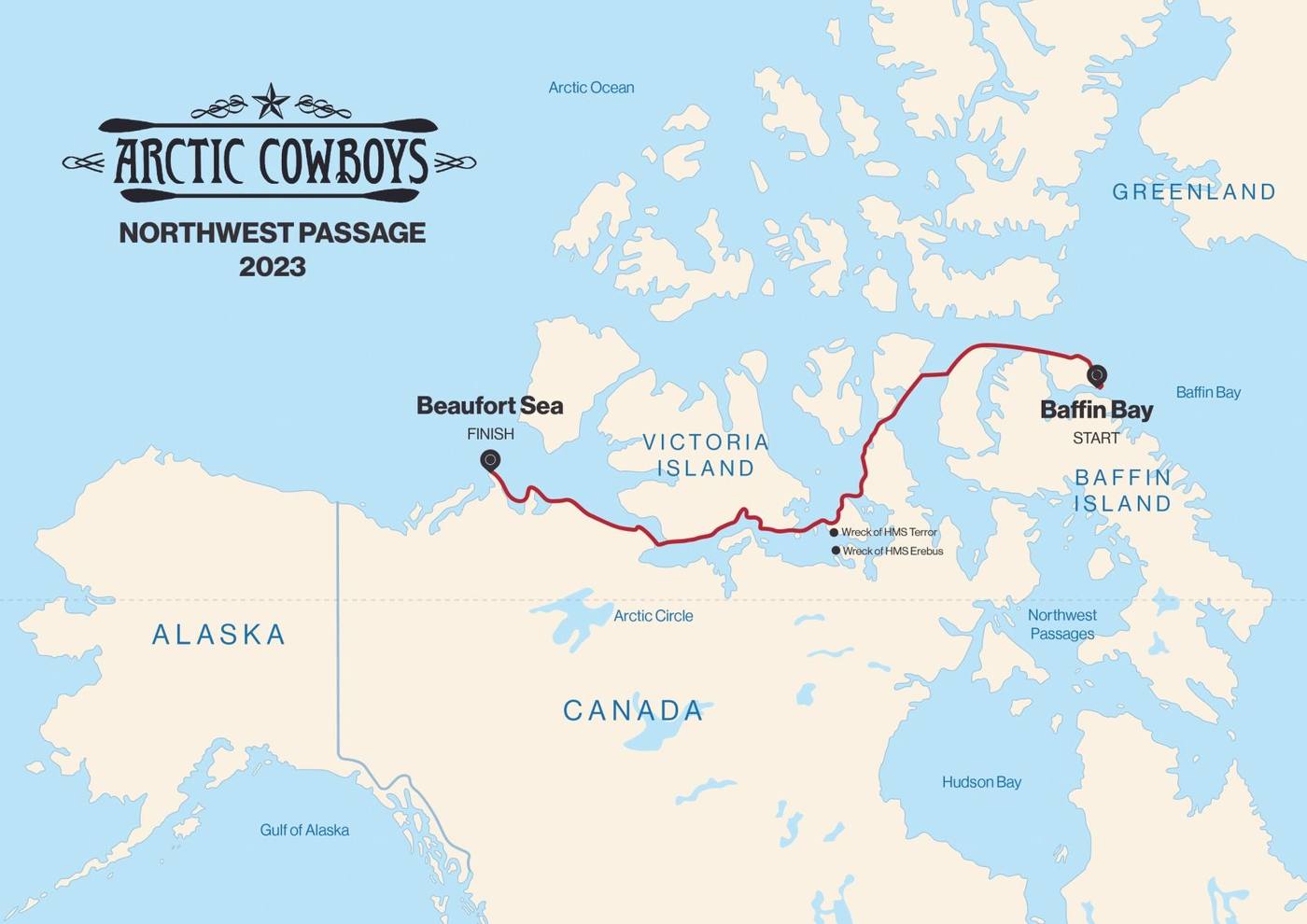 We are the first to kayak the Northwest Passage.
They made it past the mythical mountains (the existence of which had already been disproven) into Prince Regent Inlet. During their time anchored on Boothia Pennisular, in Felix Harbour, James Ross made several overland trips and located the Magnetic Pole.
On their return, there was more controversy as John took credit for much of James' work. James went on to be a very successful explorer, and the Ross Ice Shelf in Antarctica bears his name. But during this expedition, it was his uncle who hogged the plaudits, and received a knighthood among other honours.
In 1850, at the ripe old age of 72, Ross made one final trip to the Arctic. This time, he was searching for Sir John Franklin.
Britain was gripped my a mania to find Sir John Franklin - his expedition had been missing for six years. Ross did not get very far and needed assistance from other ships to combat scurvy. He heard rumours that Franklin and the crew was dead. Ross believed these rumours, though the public was not ready to hear that after six years the crew had perished. Ross's unpopular news further damaged his reputation.
The Ross family were just two of many Scots who explored the Northwest Passage or worked there with the Hudson Bay Company. In fact, over 80% of the HBC were Scottish, mostly from Orkney.
One of the Orcadians was John Rae, who found the missing piece of the Northwest Passage in 1854, thus proved its existence after almost 300 years of exploration. He also solved the mystery of John Franklin's fate. The entire crew had perished. In a bid to survive, many had turned to cannibalism. The public was still not ready to hear the reality of Franklin's demise.
Canadian's with Scottish heritage today make up almost 14% of the population, according to the 2016 Census of Canada. Many owe their links to the Hudson Bay Company and the Scots who searched the Arctic for the fabled Northwest Passage.
I'm proud to be a small part of the lineage.