 Mark Agnew
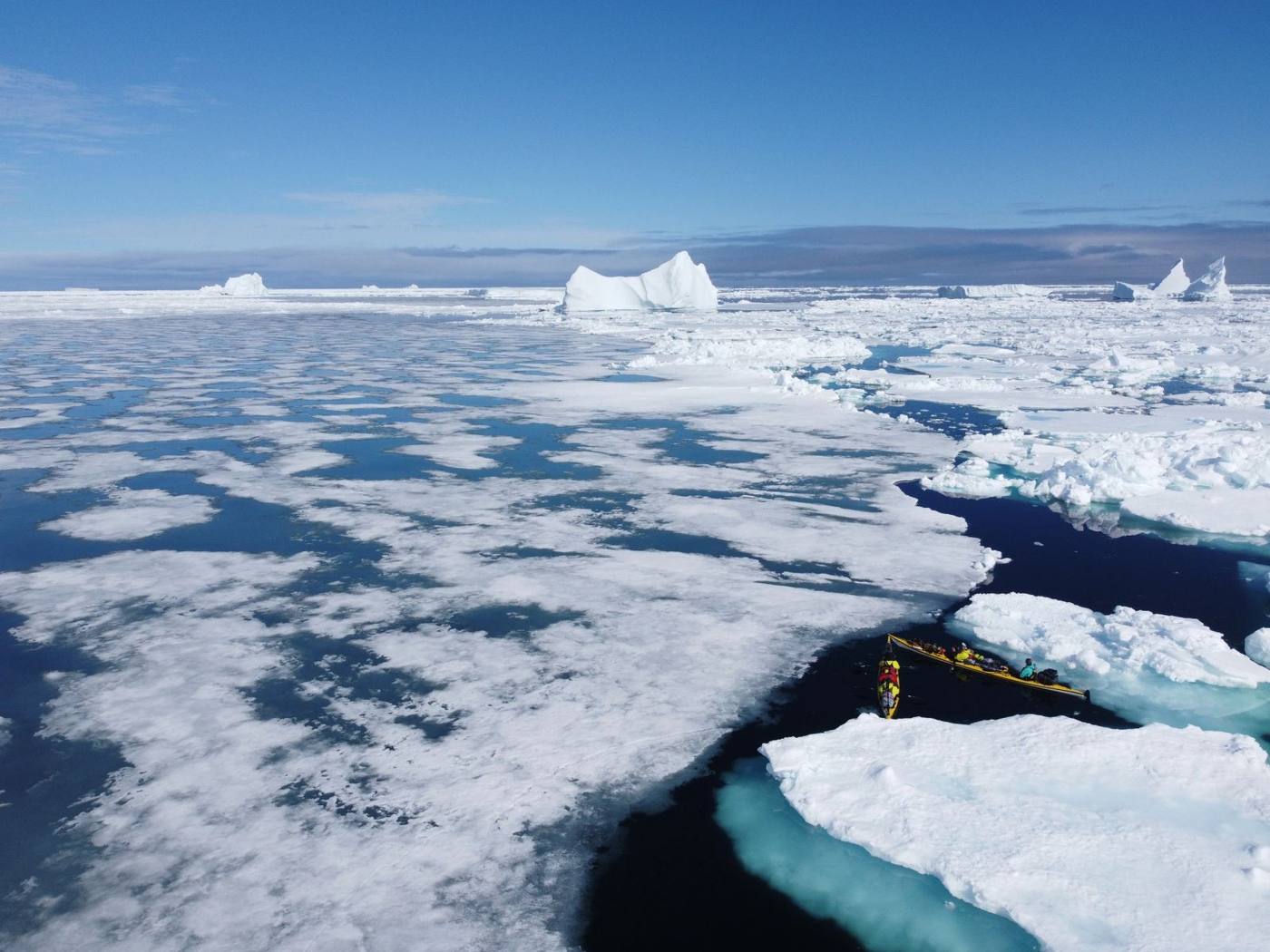 Changing conditions in the Arctic required resilience.
Does your organisation struggle with change and innovation - tips from an adventure motivational speaker
Times are changing fast. It is crucial for companies to innovate and change with them or risk being left behind. It is not good enough to simply survive during this storm of new technologies, opportunities and uncertainty. Companies must learn to thrive. When I'm hired for keynote motivational talks, more clients than ever are saying: "We need are staff to handle change better". The best motivational speakers solve your problems.
The graveyard of famous companies is littered with those who thought they could ride out the storm and failed to innovate and adapt.
- In 2008, Nokia had a bigger market shared of the mobile phone industry than Apple have today. Within a decade, they shutdown.
- Blackberry was the choice of business phone, and they dismissed the touch phone as a fad. They shutdown.
- Kodak invented the digital photo. Then decided not to release it for fear of cannibalizing their own business. They saw it as a threat, not an opportunity. They shutdown.
The list is endless, and this is only the tip of the iceberg. As a motivational speakers for corporate events, it's my job to energise the audience so they avoid joining the list of drowned companies.
Mark Agnew, Motivational Keynote Speaker - Enquire Now
So, is your company getting excited about the opportunities presented by change? Are you innovating? Or are you threatened, treading water, hoping the same old approach will get you through?
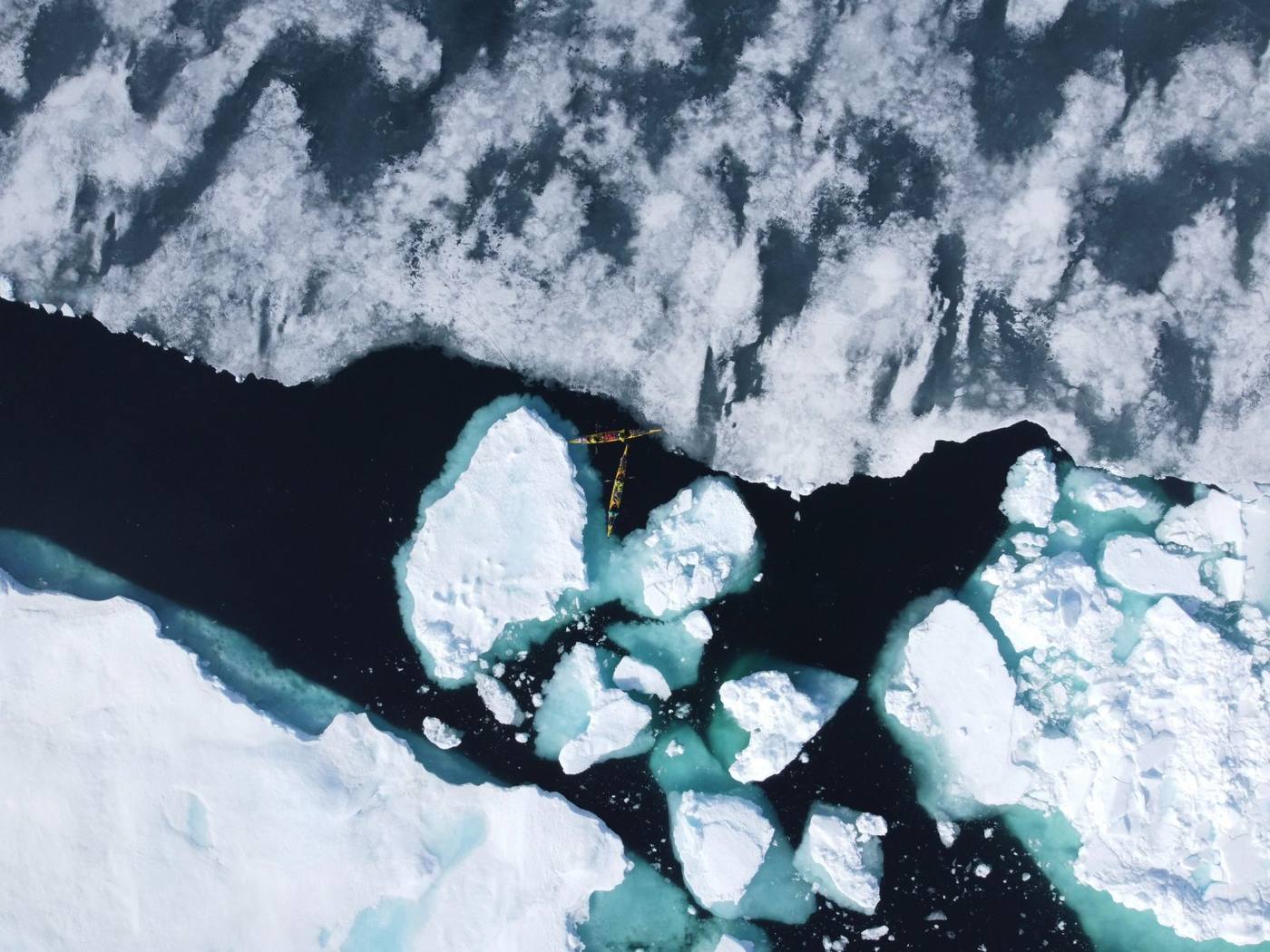 Adventure Speaker Mark Agnew trapped in sea ice. The changing conditions were the perfect training ground for resilience through change.
When my teammates and I set two World First Records for kayaked through the Arctic’s Northwest Passage, the journey was wracked with change and uncertainty. Calm seas would turn into raging melees. Open water would become chocked with ice. Happy camp sites would be invaded by polar bears. These stories are the bedrock of my motivational keynote talk.
Fortunately, in the build-up to our record-setting expedition, I worked with psychology to build resilience to thrive through change. It is applicable to the wild Arctic Ocean and the workplace too. These lessons are the spine of my adventure speaker career. Here’s what I learned:
- Tough things are tough. Accept it. Then you can embrace it.
- Reframe threats as challenges. Threats overwhelm you. Challenges excite you.
- Adapting is not the same as quitting.
- Camaraderie is formed when tough times are shared
Get comfortable being uncomfortable
Tough things are tough. Accept it. When you accept it, you give yourself permission to sit with discomfort. Going through change is not easy; you will feel stressed. The alternative – fighting the feelings – only feeds the negative emotions.
I have a script: “I am stressed. I won’t be stressed about being stressed. I’ll accept that stress is a normal reaction to have in a stressful situation. I’ll sit with the stress and get on with the task anyway.”
By the time I was in the Arctic, it was second nature to me and I didn’t need the script, but the principle was vital to my resilience.
Threats are challenges
Resilient people reframe threats as challenges. This simple, seemingly miniature, change in mindset can excite you. No longer are stressful times fixed obstacles between you and the goal. Instead, they are exciting challenges to be interacted with – get creative, think outside the box, test your own resolve.
When we take on challenges, we grow, we get a sense of satisfaction and fulfilment. In fact, countless studies show that people who challenge themselves experience a lasting contentment, compared to those who avoid challenges and only seek pleasure. So, from this perspective, challenges are a gift.
Studies have shown that those people who reframe threats as challenges display better coping mechanisms and also better outcomes.
Yes, times are changing. Don’t be threatened by it. View it as a challenge for you to rise to. Then you’ll experience growth, fulfilment, you’ll cope better and have less stress.
Uncertainty is certainly stressful, but you can become more resilient, and not just survive, but thrive and grow through tough times with the right mindset.
Adapting is not the same as quitting
When we have invested a lot of time and resources into one particular path, any deviation from the path can feel like quitting.
Psychologists call this a Sunk Cost Fallacy. Rather than making rational decisions based on future outcomes, people make irrational decisions based on the sunk costs that already exist. They refuse to adapt, sinking more costs into a failing project instead of adapting.
I invested years and a lot of money into a different Northwest Passage team. I could see that they would struggle to achieve our goals, but I was so blindly committed and felt like changing teams would mean all my time and money would have been wasted. I delayed longer than I should have, I wasted more time and money. Eventually, I took the bold decision to adapt and link up with another team to go to the Arctic. It was a monumentally difficult decision. But it was the right one.
Change is inevitable. Take a breath and be brave enough to know that adapting is not the same as quitting.
Camaraderie is formed when tough times are shared
Change is tough. And that’s why it excites me. Above all, I am motivated by relationships and shared mission. I love the sense of camaraderie. It has driven me in adventure and work my whole life.
Would you like to be part of a team with a sense of camaraderie? Of course you would. Well, if you really do, then you better get excited about change too. Because camaraderie is formed when tough times are shared.
Change is happening to everyone, not just you. Use that communal experience to get behind a shared mission and build bonds for life.
The next few years will be a roller coaster ride for many industries. Become resilient to thrive through the challenges. Change happens whether you like it or not. Innovation happens when you choose it.