 Mark Agnew
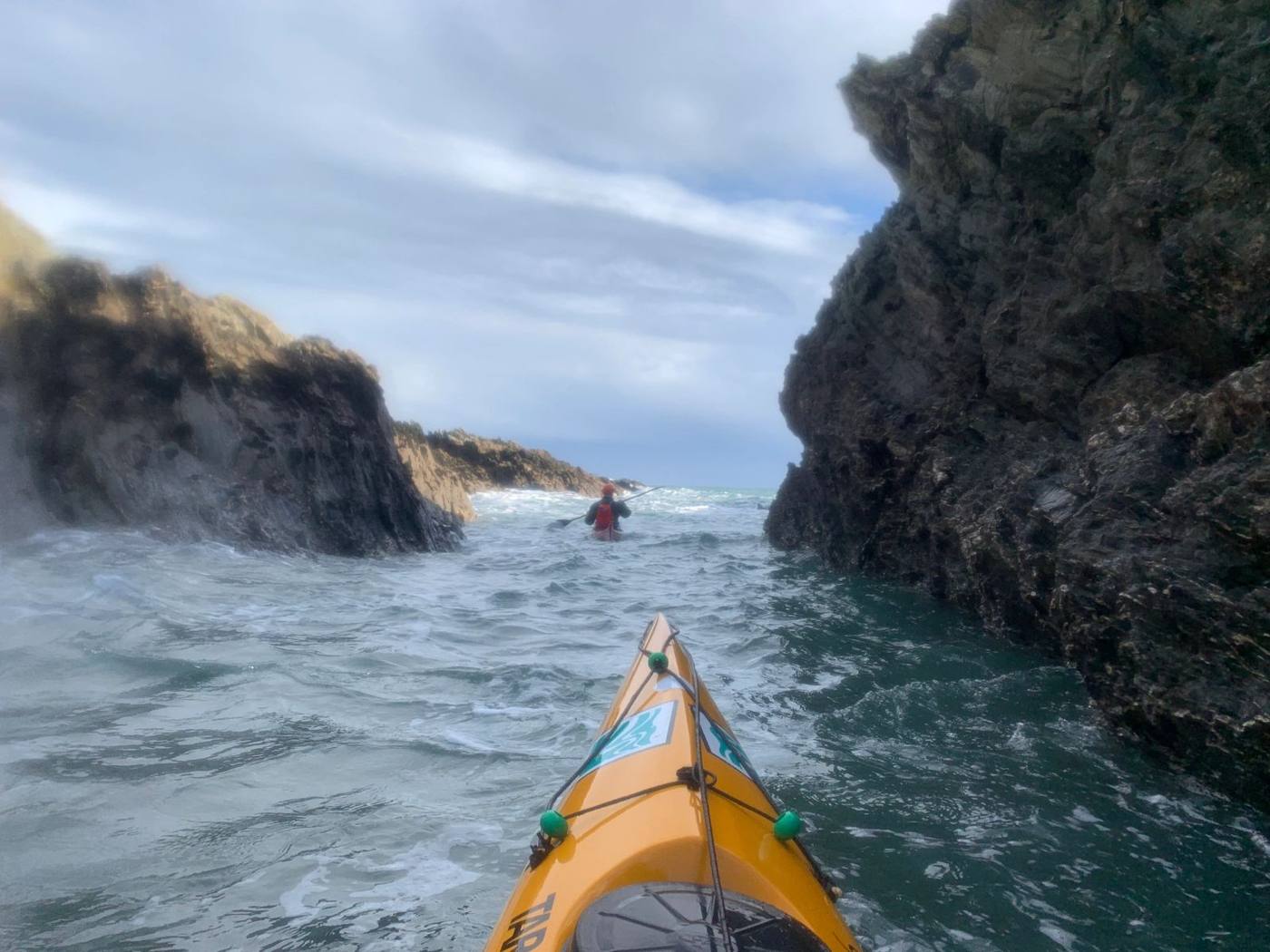 Kayaking through rocky outcrops filled with confused water. Photo: Jeff Allen
Preparing for the worst possible scenario did more than just save my life
I sent a rather desperate email to a man I'd never met. Jeff Allen is one of the world's most experienced kayakers, having paddled around South Georgia near Antarctica, Japan, the Scandinavian Peninsular (in winter) and more. I'd just been accepted to join a team of kayakers called The Arctic Cowboys who planned to paddle the Northwest Passage - they were elite river kayakers with years of experience and I was out of my depth.
My background was in ocean rowing. The ability to suffer in harsh environments was my transferable skill, but I needed to up my kayaking ability. I didn't want to slow the expedition down, or worse, put anyone in danger.
It was with this in mind that I asked Jeff for help. I only had a few months to master a new sport.
The Northwest Passage is the Arctic route that links the Atlantic to the Pacific. It had never been kayaked before. No one had completed the route by human power, with no sails or motors, in one go. If we achieved it, it would be monumental.
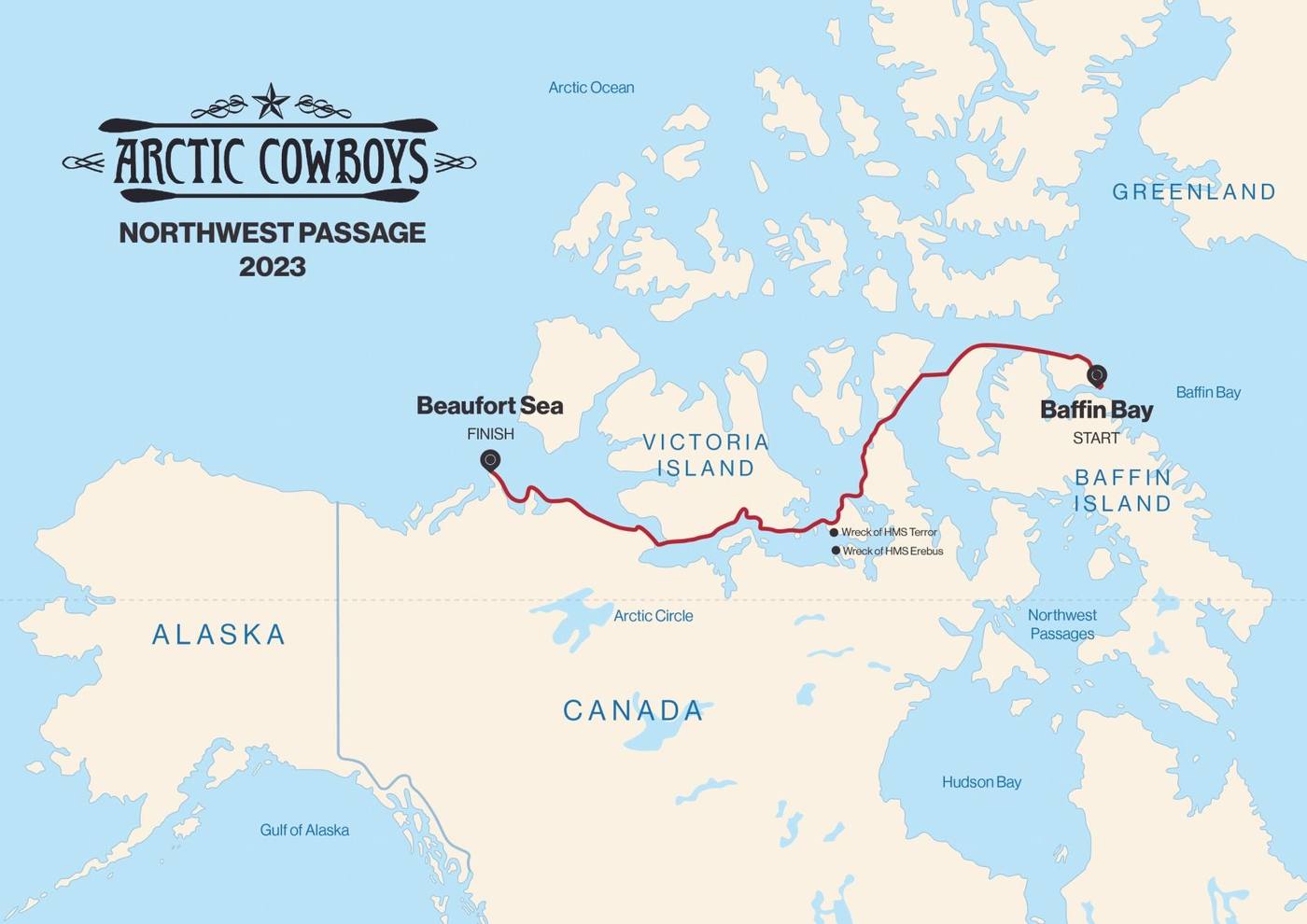
Each day, we'd kayak for hours on end - 10 to 12 hours, day after day. So, when I arrived in Cornwall to meet Jeff, I expected him to make me paddle for 12 hours, set up camp, repeat the same again the next day and tell me I was ready.
Instead, we went to a surfers' beach. The waves were curling and breaking on shore. Jeff told me to paddle out through the breakers, turn around and land in the crashing waves. I tried, and was flipped out of the boat within seconds.
Enquire about a talk today
Jeff expertly coached me how to stay balanced, how to steer using my paddle, how to brace as waves break over the boat and as the boat turns side on to the waves. Patiently over the course of the day, he coaxed me to improve. Time after time, I paddled out through the waves and landed back on shore again.
It was incredibly anaerobic. My shoulders burned as I used the paddle as a rudder. The next day I woke up in pieces, went back down to the beach and did the same again.
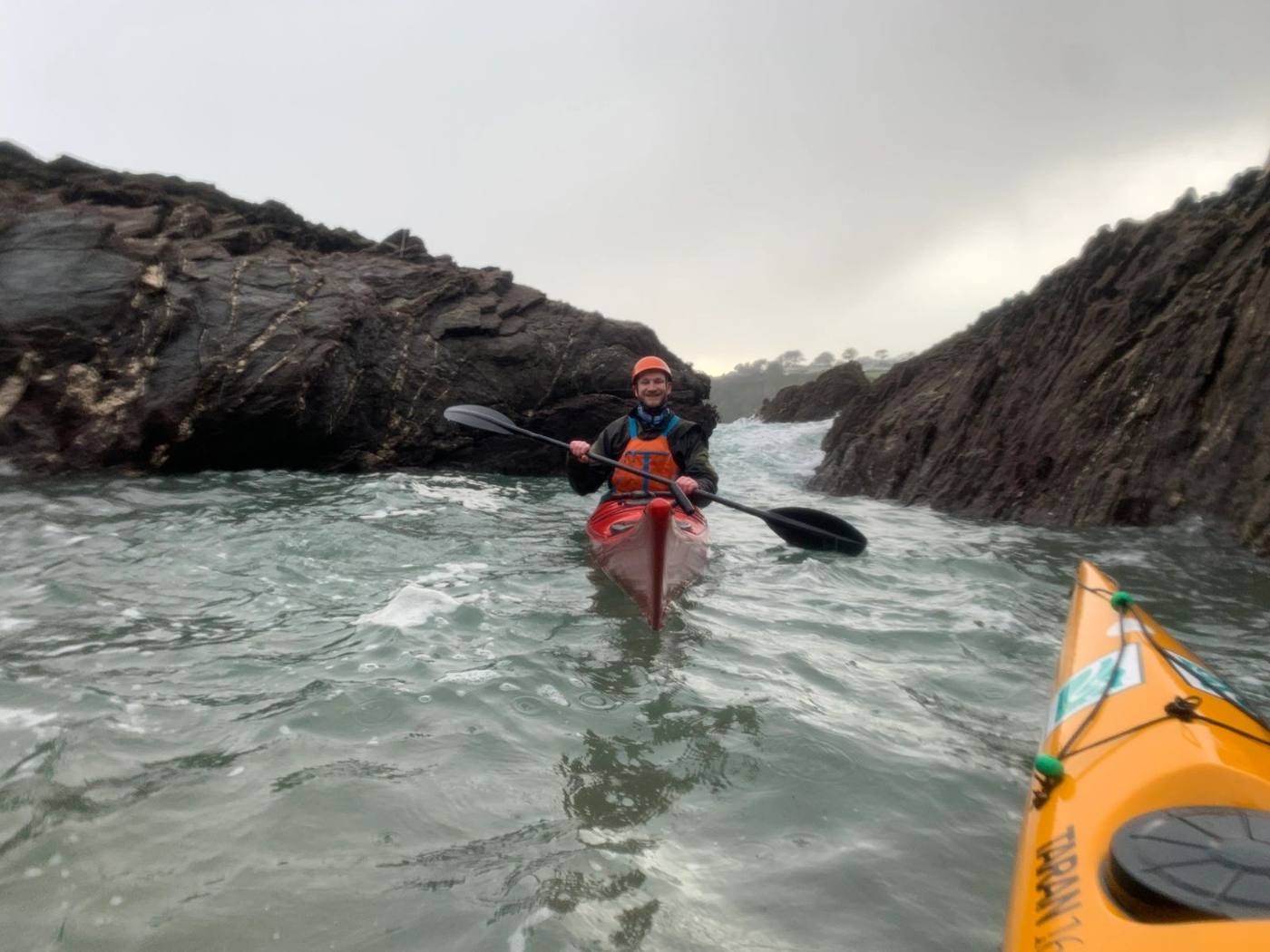 Jeff gave me the confidence to complete the Northwest Passage.
We then went out into the rocky shore of Falmouth. We paddled into little outcrops as waves filled the confined area with white water and confused seas.
By the end of the weekend, I could confidently crash through the waves out to sea and surf down the waves back to land. I did another training sessions a few weeks later and mastered the skill.
"Breaking waves are the worst conditions you can experience. If you can manage to stay upright on a beach like this, you'll be fine in the Northwest Passage," Jeff told me.
On my next session with Jeff, we paddled 26 miles from Lands End to the Scillies Isle and back the next day. On the way back, my rudder broke and I was forced to use the skills I'd learn around paddle ruddering.
When I arrived in the Arctic, it gave me to confidence to paddle in any conditions, even if I didn't need the specific surfing skills he'd taught. There was no doubt the rest of the team were far more experienced and able at kayaking than I was, but with my punishing training from Jeff I felt sure I was not a liability.
The Northwest Passage is 1,600 miles long and we covered 1,599 without ever needing the skills Jeff had taught me. Then, in the final few moments as we tried to exit the Northwest Passage, we found ourselves in a melee of breaking waves, far bigger than anything I'd been in before.
My tandem kayaking partner, Eileen, and I had to paddle out through the breaking waves to safety as I'd given poor directions and we found ourselves on the wrong side of the breakers. They were huge and reared over our heads - they were six to 8ft high, and crashing with venomous power.
The last wave that broke before we made it to safety towered over us and with the might of a thousand tons of water it piled over our bow. It pinned me against the back of my cockpit and winded me. But we stayed up right.
We then turned to surf down the waves, into the Beaufort Sea, to achieve two world firsts.
The enormous waves picked us up. Eileen expertly worked the steering peddals. I dug my paddle into the wave as an extra rudder, just as Jeff had taught me. We flew down the waves, then as we turned side on, I braced in the way I'd learned. We turned back and shot out into the Beaufort Sea.
After 100 days, we'd just become the first people to kayak the Northwest Passage and the first to complete it by human power, in a single season. I cried and cried, I was so happy.
And, if it wasn't for Jeff, I wouldn't be alive. Flipping in those final conditions would have been deadly.
The lesson is now clear to me:
Prepare for the absolute worst case scenario. Of course, this is useful if you find yourself in peril. But what struck me most was that even if you never need your emergency skills, having them will fill you with confidence and empower you to push yourself as all other outcomes fall well within your ability. The skills Jeff gave me were just as important for those final few death defying moments, as they were for the rest of the passage. I felt safe and comfortable and able to push myself to my maximum as a result.