 Mark Agnew
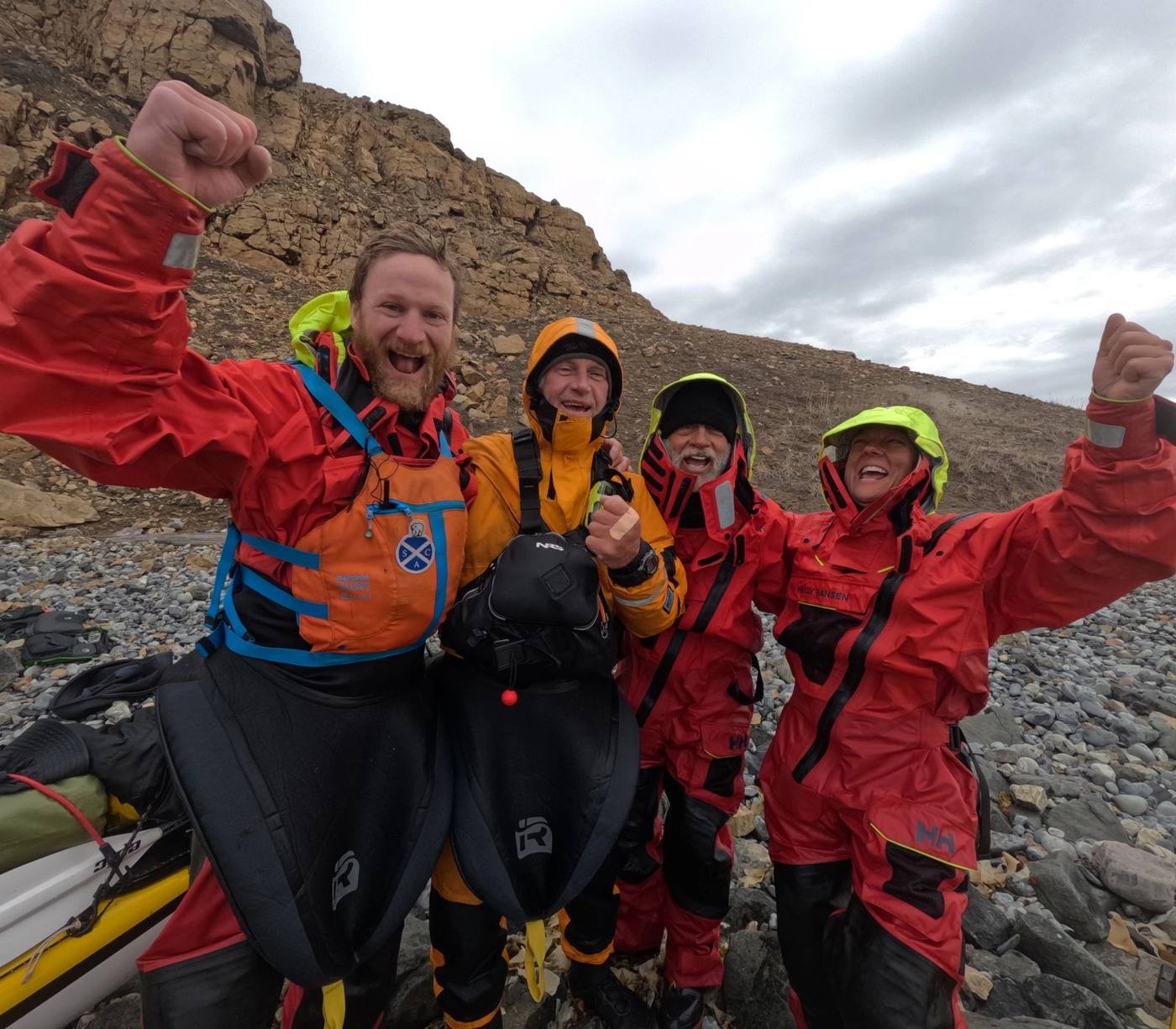 (From left) Mark Agnew, Expedition leader West Hansen, Jeff Wueste, Eileen Visser - the first team to kayak the Northwest Passage. Photo: West Hansen
The first team to kayak the Northwest Passage
We just became the first team to kayak the entire Northwest Passage. It still sounds surreal to say that out loud.
Myself and three others battled relentlessly for 102 days to make it through the Passage. Not only are we the first to do it by kayak, but also the first to do it under human power, with no motors or sails, in any craft.
In fact, there were two other rowing teams attempting the same world first this year. It was a race in the classic mould of Polar adventure.
We were a team of four, in two tandem kayaks. Eileen Visser, Jeff Wueste, West Hansen and I were the Arctic Cowboys.
The highlight of the trip was also the hardest and most life threatening time. We crossed Prince Regent Inlet. It was a 50 mile crossing, which left us exposed to the elements.
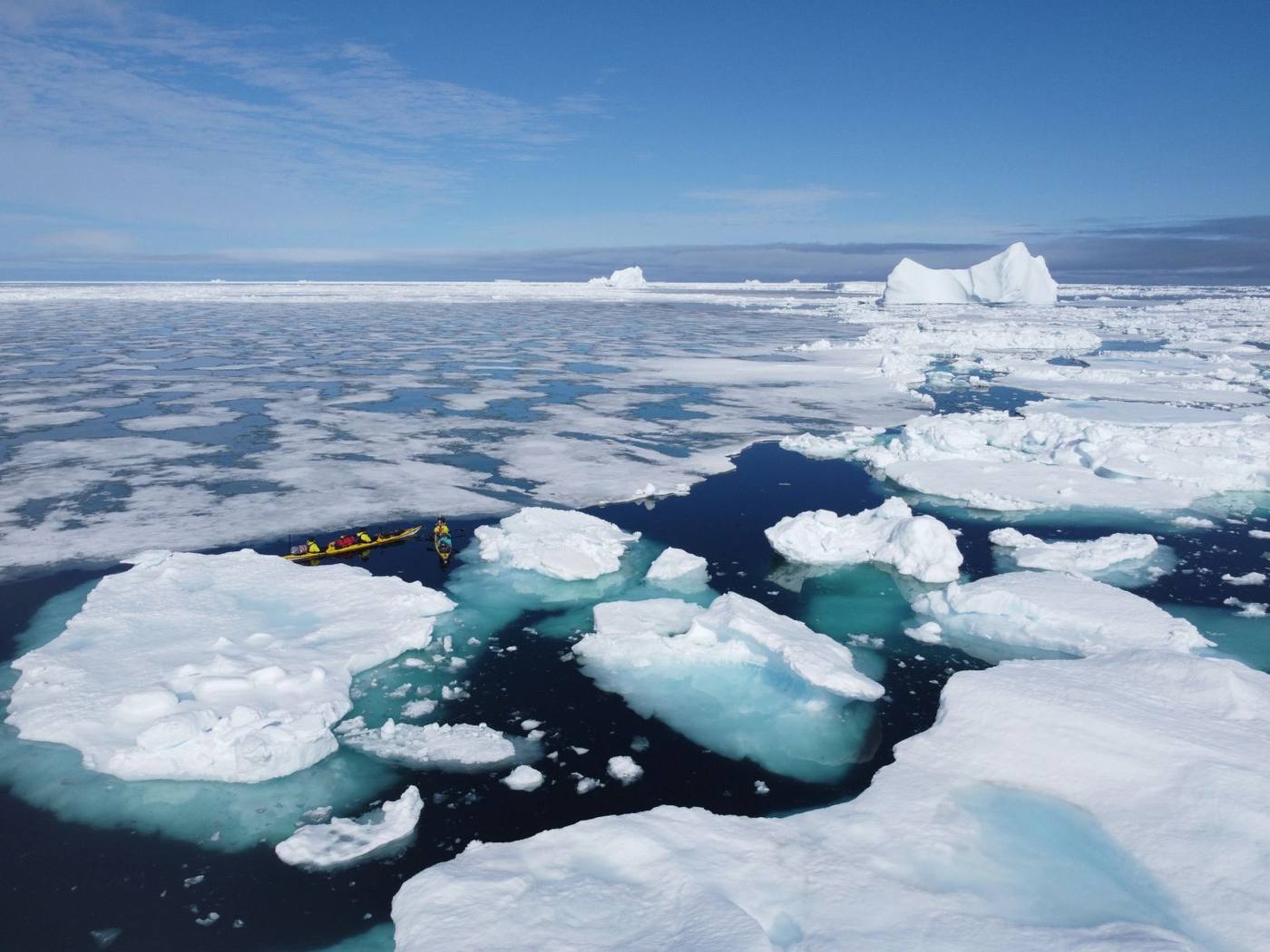
We had almost completed it when sea ice surged in from the North. It flowed like lava and trapped us. We desperately searched for a way to shore, but the moving maze gave us no exit.
When we rested in a small opening, two ice bergs changed direction for a collision course, with us in between.
Eileen and mine's kayak was slammed on either side by the ice. We were going to be crushed to death. But miraculously, like squeezing a bar of soap, we popped up. The pressure lifted us high above the water.
We scrambled forward, plunged back into the water then dragged our kayaks onto some flat ice to rest.
Contact Mark for a talk today
When we launched again, we paddled like our lives depended on it (because they did) and finally made it to shore after 18 hours.
This was just one of many tough days, but one that will live long in my memory. Had we not made another mile, I would still have considered the expedition a success. It is about the experience, not the outcome.
If we focus on intrinsic measurements of success, like being immersed in nature, and not the binary finish point, we set ourselves up for a more rewarding endeavour. This is the message I want to convey through my talks and workshops.
For now, it is still sinking in. I am proud and content, and need more time to reflect on our time in the Artic.